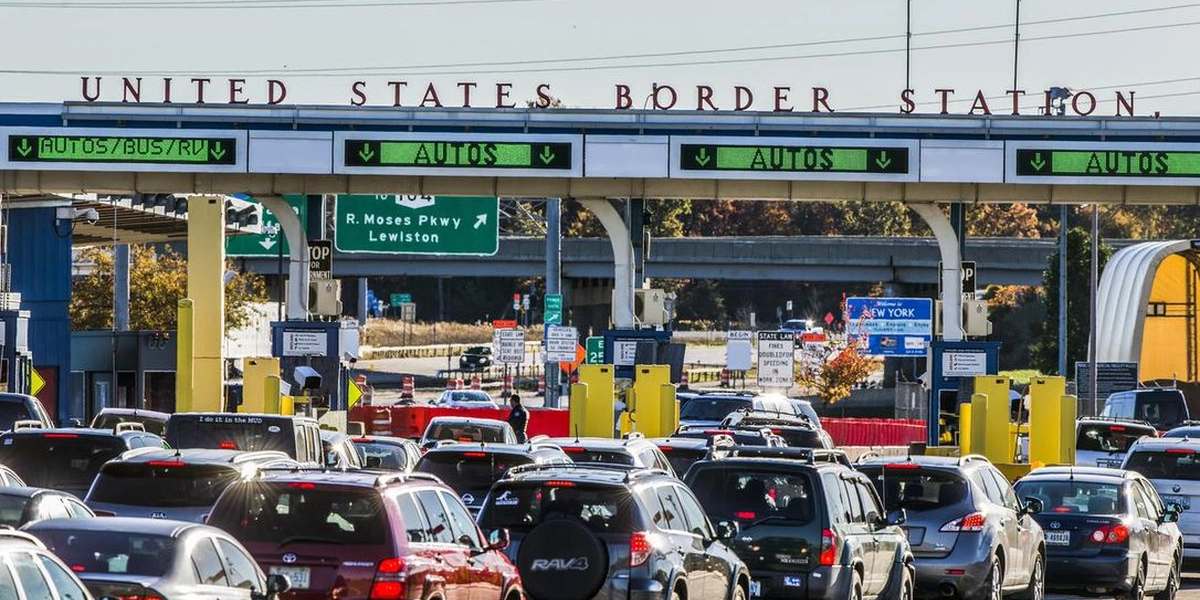
Recent changes to the Canada-U.S. preclearance agreement have resulted in a concerning lack of clarity, according to some legal experts.
Since mid-summer, U.S. Customs and Border Protection and the Canadian Border Services Agency have been sharing biographic data, travel documents and other personal data collected at land border points of entry.
Up until now if we were uncomfortable with a line of questioning, we could opt to return to Canada, but that option is no longer available under the terms of the preclearance agreement.
Many expressed concerns over the changes that were being experienced at the border, and many questioned the rights to their privacy as phones and laptop inspections, were occurring more and more.
But with recent changes to the preclearance agreement between Canada and the United States. U-S border guards operating in preclearance zones on Canadian soil can now carry guns, conduct strip searches, keep passenger information, and detain Canadian citizens, even if a Canadian border agent is unwilling to conduct the search or deems it unnecessary. U.S. agents will be able to overpower that decision.
The agreement also ends our right of withdrawal. Canadians once had the right to withdraw their interest in entering the U.S. in these zones if faced with a line of questioning they didn’t like during a screening, but they no longer have that option.
Immigration lawyers are alerting travelers to prepare when crossing. They advise to prepare properly before speaking with border officers, particularly during the busy holiday travel season.